
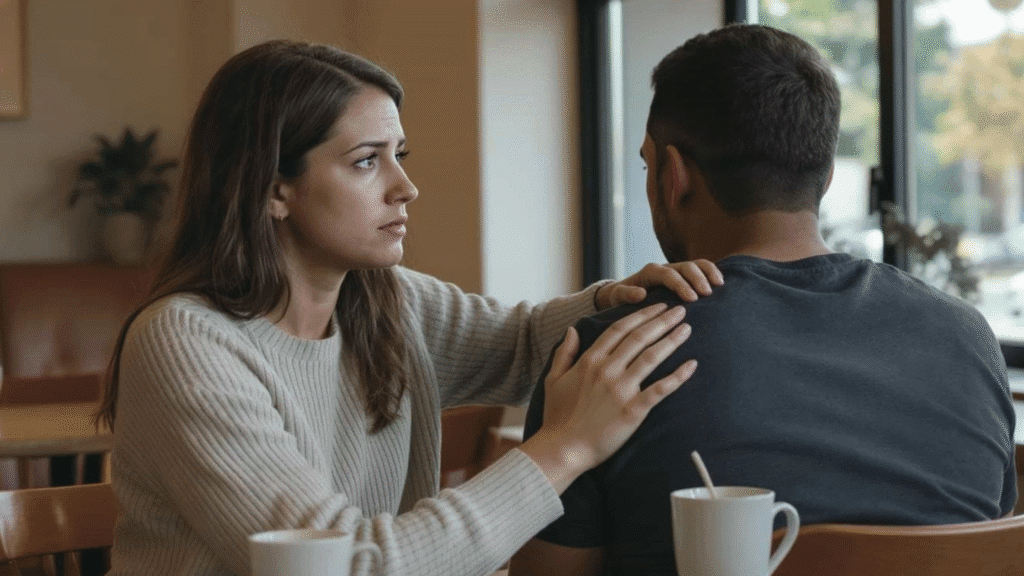
Many men feel they have to hold everything together. Do not complain. Do not slow down. Do not show emotion.
This mindset is common, but the pressure to always be okay can damage your mental and physical health.
Below is a practical look at why men feel this constant pressure, how it affects you, and how counseling for men can help you build real strength and emotional resilience.
Why Men Feel Constant Pressure To Be “Okay”
Many men grow up hearing the same messages about strength and toughness. These messages often shape how you deal with stress, responsibility, and relationships.
Common sources of pressure on men include:
- Upbringing that teaches boys not to cry or ask for help
- Work expectations that reward overworking and silence
- Family roles that require men to solve every problem
- Personal beliefs that needing support means failure
These cultural expectations can leave men feeling isolated and overwhelmed.
The Mental Health Impact of Staying Silent
Long-term stress takes a toll on the body and mind. It affects sleep, patience, energy, focus, and overall well-being.
Many men report symptoms like irritability, burnout, low motivation, and physical tension—but avoid talking about it.
Ignoring emotions does not make them go away. It only stores the pressure deeper and makes daily life harder.
If you lift weights, you know the difference between training hard and lifting more than your body can safely manage. You can push through a few tough reps, but if the weight is too heavy and you refuse to ask for a spot, you won’t look strong—you’ll look stuck.
Life works the same way. When stress keeps stacking up like weight on a bar, and you never set it down or ask for support, strain turns into injury.
Counseling can work like a mental spotter. It does not take over for you—it helps you lift safely and stay strong in a sustainable way.
Signs You Are Not Actually “Okay”
Many men mistake stress for normal life. These signs can reveal the pressure you are carrying:
- Feeling constantly irritated or on edge
- Trouble sleeping or waking up tired
- Losing interest in hobbies or workouts
- Feeling disconnected from your partner or family
- Working harder but feeling less productive
- Increased drinking or other coping habits
- Pushing through exhaustion because you feel you should
Recognizing these signs early is a key part of men’s mental health.
How Counseling Helps Men Reduce Pressure
Therapy is not about becoming emotional. It is about gaining clarity and control. A therapist gives you space to decompress, understand your patterns, and rebuild a healthier approach to stress and responsibility.
In therapy, men often work on:
- Stress management strategies
- Communication skills
- Relationship support
- Anger and irritability
- Work-life balance
- Burnout prevention
- Identity and self-worth
At Revive Counseling LLC, we provide mental health counseling tailored specifically for men who want practical tools and straightforward support.
Here are simple ways to reduce pressure without feeling like you are losing control:
- Check in with yourself for a moment each day
- Admit when something feels heavy, even if you do not share all the details
- Set one realistic limit or boundary each week
- Reach out for support early instead of waiting until things get worse
- Build routines that protect your time, energy, and sleep
You do not need to carry everything alone. You only need a place where you can put the weight down long enough to breathe.
Men’s Counseling Resources from Revive Counseling LLC
- What to Expect in Therapy for Men:
https://yourwebsite.com/what-to-expect-in-therapy-for-men - Stress and the Mind–Body Connection:
https://yourwebsite.com/stress-and-the-mind-body-connection - Book a Counseling Appointment:
https://yourwebsite.com/book-appointment
These pages help Google connect your site to searches related to men’s mental health and counseling services.
You do not need to be perfect. You do not need to stay silent.
You only need a space where you can be honest about what you are carrying and start building a healthier